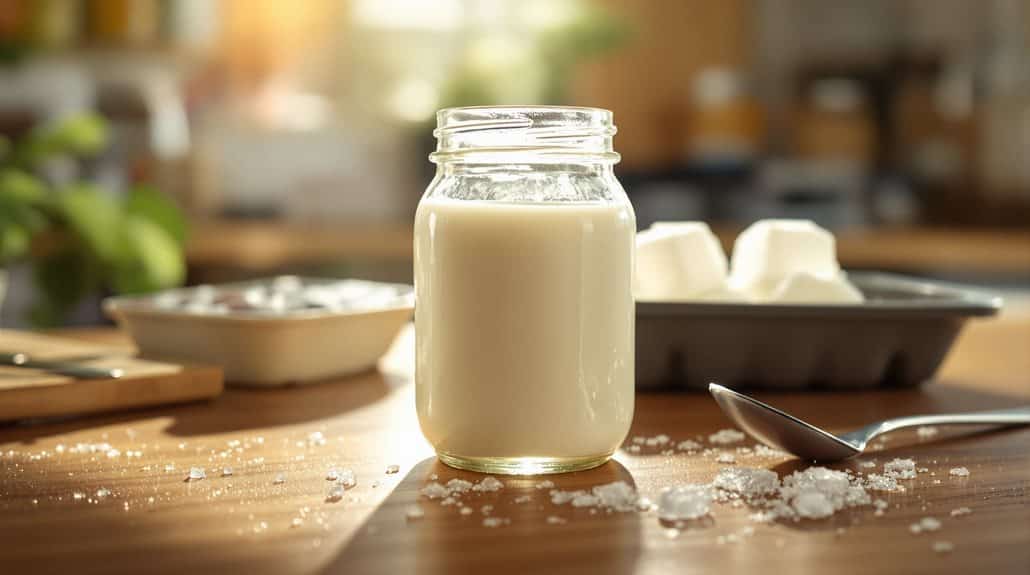
Why Freeze Evaporated Milk? Saving Money and Reducing Waste
It’s a common kitchen dilemma: you crack open a can of evaporated milk for a specific recipe, perhaps a rich Crockpot Mac and Cheese or a creamy pumpkin pie, only to find yourself with half a can or more left over. Evaporated milk, once opened, has a limited shelf life in the refrigerator – typically only a few days before it starts to spoil. This often leads to unnecessary waste and the frustration of throwing out perfectly good ingredients.
This is precisely where understanding
how to freeze evaporated milk becomes a culinary game-changer. Freezing evaporated milk is not just a clever hack; it's a practical solution for preventing food waste and stretching your grocery budget further. Instead of discarding those precious ounces, you can easily preserve them for future use, saving you from having to buy a whole new can for your next culinary adventure. It's an effective way to ensure that every drop of this versatile pantry staple gets put to good use, making it an excellent practice for any home cook looking to be more efficient in the kitchen.
Step-by-Step Guide: How to Freeze Evaporated Milk Effectively
The process of freezing evaporated milk is incredibly simple, requiring minimal effort and just a few basic kitchen items. The key is proper preparation to ensure optimal quality and convenience when you're ready to use it again.
Preparing Your Evaporated Milk for Freezing
Before you begin, consider how you typically use evaporated milk. Do you often need small, measured amounts, or larger quantities for a family-sized casserole? This decision will help you choose the best freezing method.
1.
Portioning is Key: Decant the leftover evaporated milk into freezer-safe containers. This could be small airtight containers, heavy-duty freezer bags, or even ice cube trays.
*
For specific recipes: If you know you'll need, say, 4 ounces for a particular sauce or a half-cup for a dessert, measure out these amounts directly into individual containers or bags. This eliminates guesswork later.
*
For flexible use: Ice cube trays are excellent for freezing smaller, consistent portions (typically 1-2 tablespoons per cube). Once frozen solid, pop the cubes out and transfer them to a larger freezer bag. This method offers great flexibility for adding just a bit of richness to various dishes.
2.
Leave Headspace: Regardless of the container type, remember that liquids expand when frozen. Leave about a half-inch to an inch of headspace at the top of your containers to prevent them from cracking or bursting.
3.
Seal and Label: Seal your containers or bags tightly, removing as much air as possible from freezer bags to prevent freezer burn. Then, label each container or bag clearly with the date and the amount of evaporated milk inside. This simple step is invaluable, preventing confusion down the line and ensuring you use the oldest portions first.
For a detailed walkthrough on the basics of *how to freeze evaporated milk*, including easy steps to prepare your leftovers, check out our guide on
Freeze Evaporated Milk: Easy Steps to Save Leftovers.
Freezing and Storage
Place your prepared evaporated milk in the freezer. For best quality, frozen evaporated milk should be used within 3 to 6 months. While it will remain safe beyond this period, its texture and quality might start to degrade.
Understanding Thawed Evaporated Milk: Appearance and Texture Changes
One of the most important aspects to understand about freezing evaporated milk is what happens when it thaws. Unlike regular milk, which generally thaws to a fairly consistent texture, evaporated milk undergoes a noticeable transformation.
Upon thawing, you will likely observe that your evaporated milk has separated. It often appears somewhat lumpy, curdled, or grainy, with the milk solids and fats having separated from the water content. This change in appearance can be quite startling and might lead you to believe the milk has gone bad. However, it's crucial to remember that
this separation is completely normal and does not indicate spoilage. The product is still perfectly safe and perfectly fine to use.
Attempts to fully re-emulsify the thawed milk by stirring vigorously or even blending it in a high-speed blender can help somewhat, but it rarely returns to the perfectly smooth, homogenous consistency of fresh, unopened evaporated milk. Setting realistic expectations about its texture post-thawing is key to successful usage. While its visual appeal might be compromised, its flavor and most of its functional properties in cooked applications remain intact.
Maximizing Thawed Evaporated Milk: Recipes Where Separation Doesn't Matter
The slight separation of thawed evaporated milk means it might not be ideal for every single application where you'd use fresh evaporated milk – for instance, adding directly to coffee where smoothness is paramount, or as a standalone beverage. However, its versatility shines in a vast array of recipes where its creamy body and rich flavor are incorporated into a larger mixture, especially those involving cooking or baking.
The general rule of thumb is this: if the recipe involves heat, blending, or is designed to have a thick or creamy texture, thawed evaporated milk will perform beautifully. Here are some excellent applications where the textural changes are either completely masked or even beneficial:
*
Creamy Soups and Stews
This is perhaps the most popular and forgiving use for thawed evaporated milk.
*
Chowders and Bisques: Whether it's a hearty clam chowder, a luxurious lobster bisque, or a comforting potato soup, thawed evaporated milk will blend seamlessly into the hot liquid, contributing to a rich, velvety texture without any noticeable lumps.
*
Creamy Vegetable Soups: Think cream of mushroom, cream of broccoli, or a vibrant tomato bisque. The milk's consistency is fully integrated as the soup cooks and is often blended smooth anyway.
*
Hearty Stews and Pot Pies: For thickening gravies and enriching the broth in stews or the filling for chicken pot pies, thawed evaporated milk is an excellent choice.
*
Sauces and Casseroles
Thawed evaporated milk is a secret weapon for achieving perfect consistency in a variety of sauces.
*
Macaroni and Cheese: The base for many homemade mac and cheese sauces benefits greatly from evaporated milk, and the thawed version works flawlessly. The heat and constant stirring will ensure a smooth, cheesy sauce.
*
Creamy Pasta Sauces: From a simple white sauce for lasagna to a richer Alfredo-style sauce, evaporated milk adds a lovely creaminess.
*
Gravies: Use it to thicken and enrich gravies for roasts and mashed potatoes.
*
Casseroles: Any casserole requiring a creamy binder, such as green bean casserole or tuna noodle bake, will welcome thawed evaporated milk.
*
Baking and Desserts
Many baked goods and desserts are perfectly suited for thawed evaporated milk.
*
Pies and Puddings: Pumpkin pie, sweet potato pie, custards, and rice puddings often call for evaporated milk. The blending of ingredients in these recipes, followed by baking or chilling, will effectively hide any prior separation.
*
Fudge and Caramel: For making smooth, rich fudge or decadent caramel sauces, the milk's texture integrates perfectly during the cooking process.
*
Tres Leches Cake: The soaking liquid for this popular dessert, a blend of milks, can certainly incorporate thawed evaporated milk without issue.
*
Moist Cakes and Quick Breads: For recipes where the evaporated milk is a liquid component mixed into batter, it will add moisture and richness.
To explore more ideas for maximizing your frozen evaporated milk and ensuring you *don't waste evaporated milk*, refer to our tips and best uses article:
Don't Waste Evaporated Milk: Freezing Tips & Best Uses.
Thawing Methods and Best Practices
Once you've decided on a recipe, you'll need to thaw your frozen evaporated milk. There are a couple of methods, depending on how quickly you need it.
1.
Refrigerator Thawing: This is the gentlest method. Simply transfer the frozen evaporated milk (in its container or bag) to the refrigerator and let it thaw overnight. This slow thawing helps maintain the best possible quality, though separation will still occur.
2.
Microwave Thawing: If you're short on time, you can thaw evaporated milk in the microwave. Transfer the frozen milk to a microwave-safe container. Heat it on a low power setting or use the defrost function in short, 30-second bursts, stirring in between each burst. Be careful not to overheat it, which can cause it to cook.
3.
Cold Water Bath: For a quicker thaw than the refrigerator but slower than the microwave, place the sealed bag or container of frozen milk in a bowl of cold water. Change the water every 30 minutes until thawed.
Once thawed, use the evaporated milk within a day or two. Remember to stir or whisk it well before adding it to your recipe, even if it doesn't completely re-emulsify, to ensure any remaining lumps are broken up and distributed.
Conclusion
Knowing
how to freeze evaporated milk is an invaluable skill for any home cook aiming to reduce food waste and save money. While the natural separation upon thawing might seem off-putting at first glance, understanding its cause and knowing the right applications can unlock its full potential. Embrace the versatility of thawed evaporated milk in your favorite creamy soups, hearty casseroles, rich sauces, and delicious baked goods. By smartly freezing your leftovers, you ensure that every drop of this kitchen staple contributes to creating delightful dishes, proving that even a little separation can't stop good food from happening.