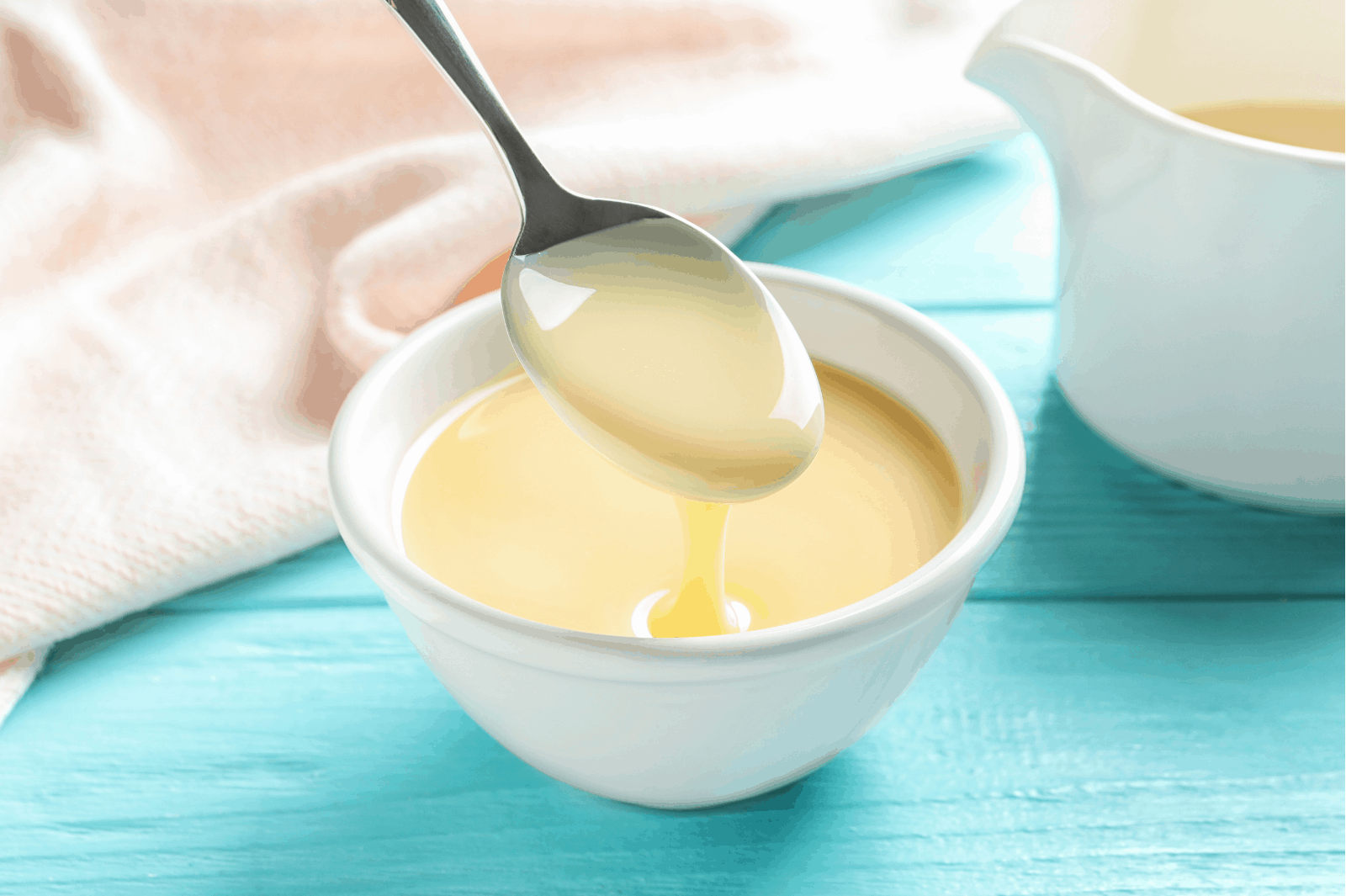
Don't Waste Evaporated Milk: Freezing Tips & Best Uses
We’ve all been there. A recipe calls for evaporated milk, but only a fraction of the can. Suddenly, you're left with a partially used can of dairy wondering what to do before it goes bad. Leftover evaporated milk, once opened, has a fleeting shelf life – typically just a couple of days in the refrigerator. This common culinary dilemma often leads to unnecessary waste and spending. But what if there was a simple, effective solution to salvage those precious leftovers?
The good news is, there is! Freezing evaporated milk is not only possible but incredibly easy and a smart way to prevent waste, save money, and ensure you always have this versatile ingredient on hand. No longer will you need to rush out for a new can or toss out what remains. This comprehensive guide will walk you through everything you need to know about
how to freeze evaporated milk, what to expect, and its best culinary applications after thawing.
Can You Freeze Evaporated Milk? Absolutely!
Yes, you can absolutely freeze evaporated milk! This dairy product, concentrated to remove about 60% of its water content, holds up remarkably well to freezing, making it an excellent candidate for long-term storage. Freezing is your culinary superpower against food waste, allowing you to extend the life of your opened evaporated milk from a mere two to three days to a generous 3 to 6 months without significant loss of quality.
The primary reason to freeze evaporated milk is simple: **to prevent spoilage and save money.** Imagine never having to buy a whole new can for just a few tablespoons again! By freezing leftovers, you're making a conscious choice to be more sustainable in your kitchen and more economical with your grocery budget. While you might observe some changes in texture upon thawing, these are generally cosmetic and don't impact its suitability for a vast array of cooked and baked dishes.
It's important to note that this advice specifically applies to *leftover, opened evaporated milk*. Unopened cans of evaporated milk boast an impressive shelf life at room temperature, often lasting for months or even years past their "best by" date due to the canning process. Freezing an unopened can is not recommended as it could cause the can to burst or compromise the seal, making it unsafe. Stick to freezing only the portions you've opened and didn't use.
Step-by-Step Guide: How to Freeze Evaporated Milk
Freezing evaporated milk is a straightforward process that takes mere minutes. The key is to prepare it for future use in convenient portions.
Preparation is Key
Before you begin, ensure you're working with clean hands and containers. Decide how you might use the milk in the future. Will you need a whole cup, or just a tablespoon or two for a sauce? This decision will guide your choice of freezing method and portion sizes.
Choosing Your Freezing Method
There are a few effective ways to freeze evaporated milk, each suited for different needs:
- Freezer Bags (Ideal for Larger Quantities):
- Pour: Carefully pour the desired amount of evaporated milk into a freezer-safe bag. Quart or pint-sized bags work well.
- Remove Air: Squeeze out as much air as possible before sealing the bag to prevent freezer burn.
- Label: This step is crucial! Use a permanent marker to clearly label the bag with the exact amount of milk (e.g., "1 cup evaporated milk") and the date it was frozen. This makes future meal planning a breeze.
- Freeze Flat: Lay the bag flat on a baking sheet or directly on a freezer shelf until solid. Once frozen, you can stack them vertically or horizontally to save space.
- Ice Cube Trays (Perfect for Small, Measured Portions):
- Fill: Pour evaporated milk into the compartments of an ice cube tray. Each compartment typically holds 1 to 2 tablespoons, making it excellent for recipes requiring small, precise amounts.
- Freeze Solid: Place the tray in the freezer until the cubes are completely solid, usually a few hours.
- Transfer & Store: Once frozen, pop the cubes out of the tray and transfer them to a larger, labeled freezer bag. Again, remember to label the bag with the date and approximate amount per cube (e.g., "1.5 tbsp per cube").
- Freezer-Safe Containers (Good for Specific Recipe Portions):
- Portion: If you know you’ll need a specific amount, say half a can for a particular casserole, pour that exact amount into a rigid, freezer-safe container.
- Headspace: Leave about half an inch of headspace at the top of the container. Liquids expand when frozen, and this prevents cracking or overflow.
- Seal & Label: Securely seal the container and label it with the contents and date.
Optimal Storage Duration
For the best quality, aim to use your frozen evaporated milk within 3 to 6 months. While it will remain safe to consume beyond this period, its texture and flavor might start to degrade. Proper labeling will help you keep track and ensure you're always using the freshest frozen supply.
Thawing and What to Expect
Once you're ready to incorporate your frozen evaporated milk into a dish, the thawing process is simple, but understanding what happens to its texture is key.
The Thawing Process
You have a few convenient options for thawing your frozen evaporated milk:
- Refrigerator Thaw: This is the gentlest method. Simply transfer the frozen milk from the freezer to the refrigerator overnight (8-12 hours). This is ideal if you've planned ahead.
- Microwave Thaw: For a quicker option, place the frozen milk in a microwave-safe container and defrost it using short bursts (e.g., 30-second intervals) on a low power setting, stirring in between, until thawed. Be careful not to overheat it.
- Cold Water Bath: Seal the freezer bag or container of frozen milk in another waterproof bag and submerge it in a bowl of cold water. Change the water every 30 minutes until thawed. This is faster than refrigerator thawing but slower than the microwave.
Understanding Textural Changes
It's crucial to manage your expectations when thawing evaporated milk. After freezing and thawing, it will almost certainly look different from its original, creamy state. You will likely observe some **separation**, where the fat and water components appear to have split, giving it a slightly "curdled" or grainy appearance.
This separation occurs because freezing causes the water molecules to form ice crystals, which can disrupt the delicate emulsion of fats and proteins in the milk. While you can try stirring or even blending the thawed milk, it will rarely return to its perfectly smooth, uniform consistency.
**Important:** This change in appearance is purely cosmetic and does not indicate spoilage or affect the milk's safety. It is perfectly fine to use. The key is knowing how to use it effectively despite this separation. For a deeper dive into managing this change, check out our guide on
Thawed Evaporated Milk: Using It Effectively Despite Separation.
Best Uses for Thawed Evaporated Milk
Because of the potential textural changes, thawed evaporated milk is best suited for recipes where its smooth consistency isn't paramount. Fortunately, this includes a wide array of delicious cooked and baked dishes where its richness and flavor will shine through!
Here are some of the best uses for thawed evaporated milk:
- Creamy Soups and Stews: This is arguably the top application. The slight separation won't be noticeable once incorporated into the body of a soup or stew. Think rich potato chowder, creamy tomato soup, broccoli cheddar soup, or a hearty chicken stew.
- Casseroles: From classic macaroni and cheese (as enjoyed in the reference context) to tuna noodle casserole or green bean casserole, evaporated milk adds a lovely creaminess that integrates beautifully during baking.
- Sauces and Gravies: Whether you're making a béchamel for lasagna, a cheese sauce for nachos, or a savory gravy to accompany roasted meats, thawed evaporated milk works wonderfully. The cooking process helps to re-emulsify the milk.
- Baked Goods: Many recipes for breads, muffins, cakes, and especially custards (like pumpkin pie filling) or Tres Leches cake benefit from the moisture and richness of evaporated milk. The structure of the batter or dough will easily absorb any minor textural differences.
- Curries: Add thawed evaporated milk to your favorite curry recipes for an extra layer of creaminess and depth of flavor, especially in milder, coconut-milk-based curries.
- Hot Beverages: While not as smooth as fresh milk, if stirred vigorously, thawed evaporated milk can be added to coffee, tea, or hot chocolate for a richer taste.
It's generally best to avoid using thawed evaporated milk in applications where a perfectly smooth, unblemished texture is crucial, such as delicate glazes, very thin sauces served cold, or for drinking straight. For these, fresh evaporated milk or another dairy option might be preferred.
Maximizing Your Frozen Evaporated Milk Experience: Expert Tips
To get the most out of your frozen evaporated milk, consider these pro tips:
- Portion Control is King: Freeze in amounts that align with your typical recipe needs. If you often use 1/4 cup for a sauce, freeze that specific quantity.
- Double-Check Your Labels: A well-labeled freezer stash is a usable freezer stash. Always include the item and the date.
- Plan Your Thaw: For best results, thaw in the refrigerator overnight. If you're in a rush, the microwave or a cold water bath can be your friend.
- Whisk Vigorously: After thawing, give the milk a good whisk or shake. While it may not become perfectly smooth, this helps to redistribute the fats and proteins, making it more uniform.
- Embrace its Role: Remember that thawed evaporated milk excels in cooked dishes where its unique richness and flavor contributions outweigh any minor textural eccentricities.
- Think Beyond the Can: Consider what other recipes you regularly make that could benefit from the creamy addition of evaporated milk, ensuring no leftover drop goes to waste.
Conclusion
Freezing evaporated milk is a simple yet incredibly effective kitchen hack that every home cook should embrace. It eliminates food waste, saves you money, and ensures you always have a convenient supply of this versatile ingredient ready for your culinary adventures. While its appearance may change slightly upon thawing, its functionality in a myriad of cooked and baked dishes remains undiminished. So, next time you crack open a can and find yourself with leftovers, don't waste it – freeze it! Your wallet and your recipes will thank you.